
Lizhi
Back to libraryEntry · LZH-008
Copper tripeptide · Skin and matrix

GHK-Cu

Naturally occurring copper-binding tripeptide

Technical datasheetLZH-008
Code
Copper tripeptide
Formula
C14H24N6O4·Cu
Molecular weight
402.9 Da
Half-life
Plasma minutes; bound copper retained tissue-locally
Research route
Topical / SC (research)
Molecular targets
Copper-dependent enzymes (LOX, SOD1) · decorin / matrix gene network
Discovery / disclosure
Identified by Pickart, 1973 (human plasma)
Target purity
≥ 98%
Recommended storage
−20°C, light protected. 2 to 8°C after reconstitution.
Aliases
Copper tripeptide-1, Cu-GHK, Prezatide copper acetate
Appearance
Deep blue lyophilized powder (Cu(II) chromophore)
Solubility
Freely soluble in water (deep blue solution)
Sequence
Gly-His-Lys · Cu(II)
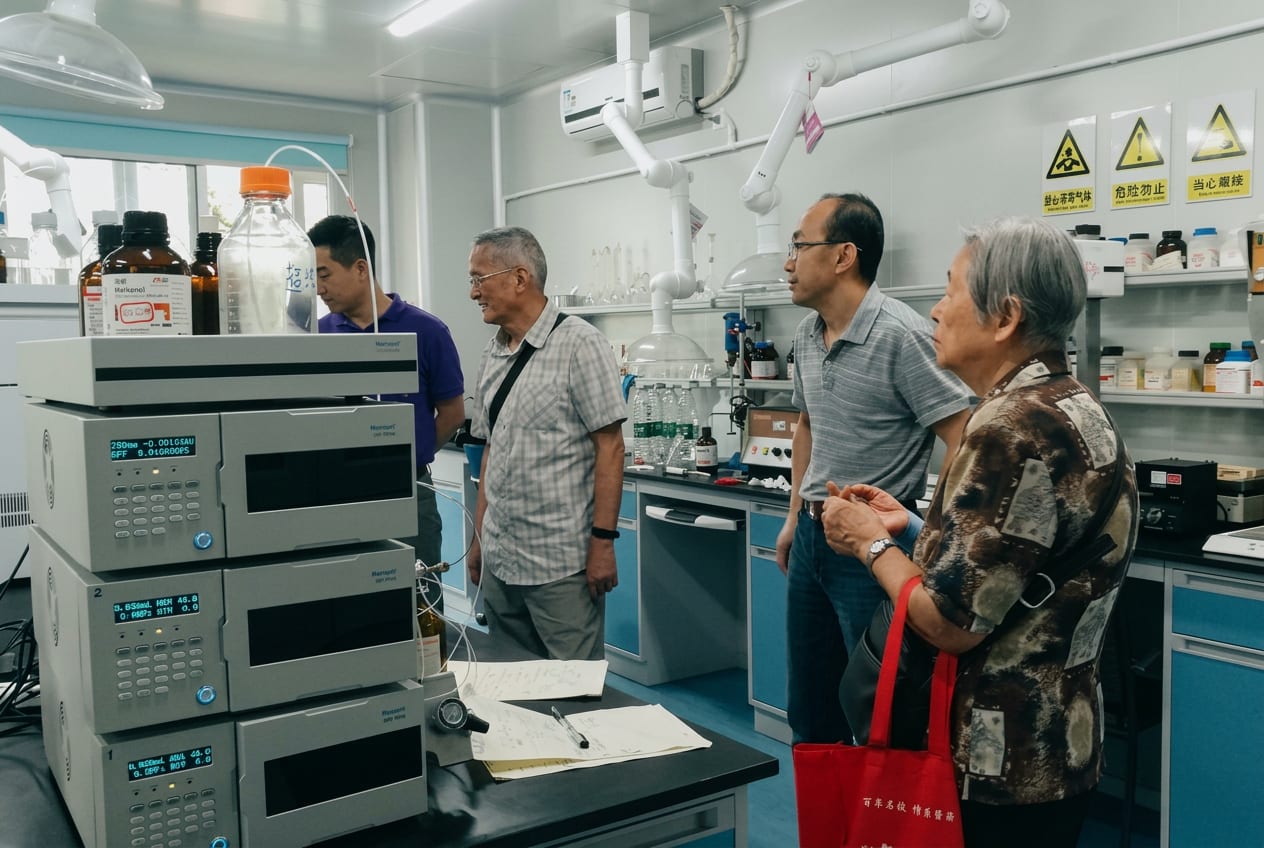
Analysts reviewing the HPLC chromatogram for the current batch
FIG. 201Analytical Lab

Identity, purity and main-peak area are checked by reversed-phase HPLC against an in-house reference standard for this sequence. The chromatogram you see on the certificate of analysis is generated at this exact bench, by the analysts who release the batch.

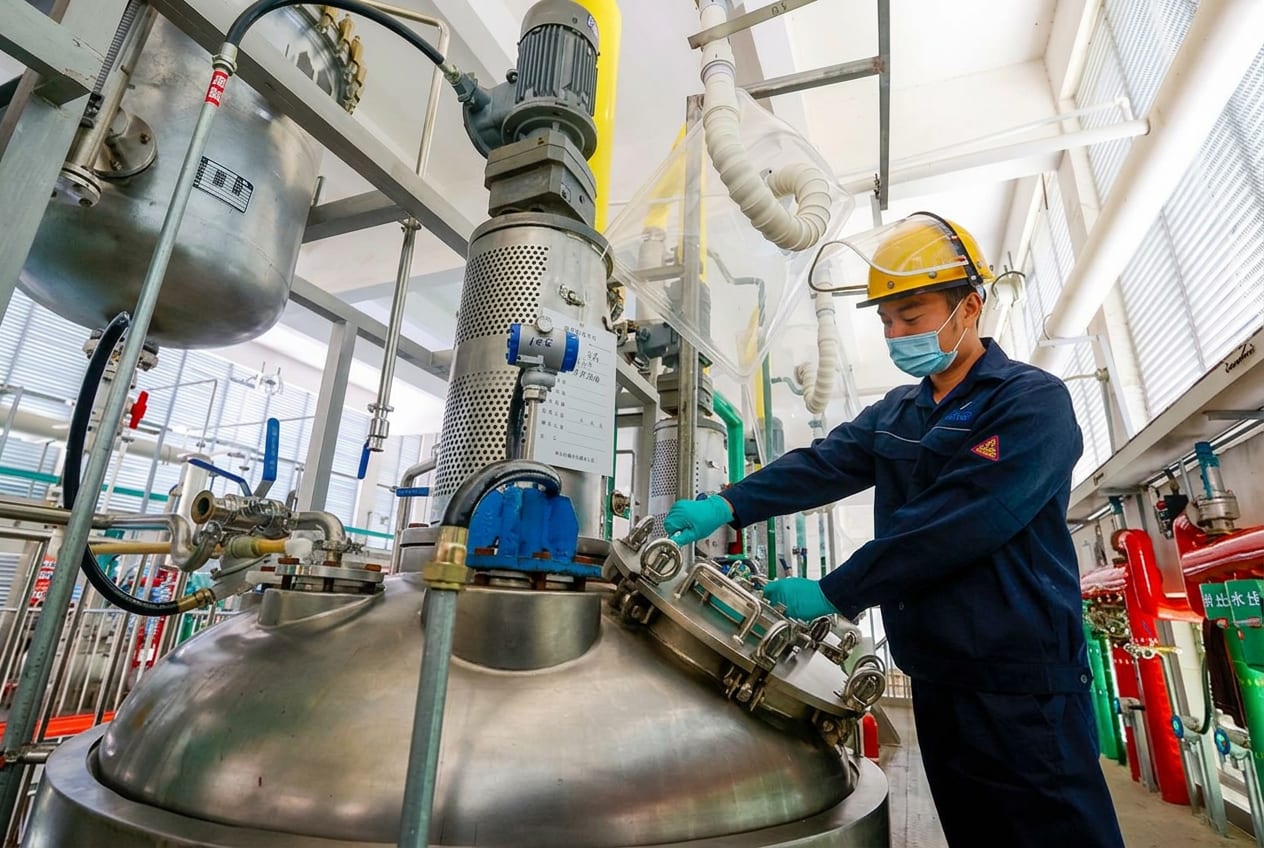
Technician monitoring a stainless steel reactor during scale-up
FIG. 202Scale-up Operations

When a sequence moves from milligram research lots to multi-gram research supply, the same chemistry is transferred onto jacketed stainless reactors. Temperature, agitation and reagent equivalents are logged in real time so that the larger batch matches the analytical fingerprint of the small one.

01

Overview

GHK-Cu is the complex of the naturally occurring glycyl-histidyl-lysine tripeptide with copper, a classical tool in skin and connective tissue biology research.

02

Pharmacology and mechanism

Modulates copper-dependent enzyme activity, influences extracellular matrix remodeling, collagen and elastin synthesis, with antioxidant and gene expression effects.

03

Research areas

R.01
Naturally occurring copper-binding tripeptide

Widely used in skin aging, wound healing, hair follicle biology and gene regulation studies.

04

Structural notes

Gly-His-Lys tripeptide forming a stable chelate with Cu(II).

Sequence
Gly-His-Lys · Cu(II)
For research use only. Not medical advice. Not for diagnosis or treatment.